Child-Like Speech Optimized AI Toys
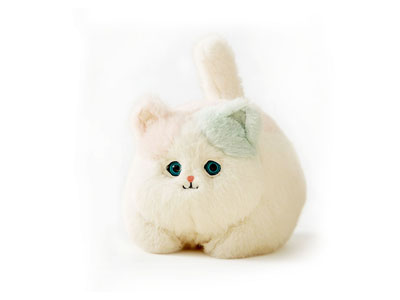
Child-like speech optimized AI toys are engineered to communicate in a way that perfectly aligns with how young children (typically ages 2–6) speak and understand language—going beyond basic “simple language” to mimic the rhythm, tone, and vocabulary of child speech. Unlike standard AI toys that use formal or adult-like speech patterns, these toys use short sentences, repetition, playful intonation, and age-appropriate words to create a relatable, engaging experience. For example, a child-like speech optimized AI toy might say, “Look! A butterfly! It’s so pretty—flap, flap, flap!” instead of “There is a visually appealing butterfly in flight,” mirroring how a child might describe the same scene.
These toys excel at understanding fragmented or imprecise child speech, which is common in young kids still developing language skills. If a child says, “Toy, me want play car,” the toy might respond, “Yay, cars! Let’s play—we can zoom the car fast, fast, fast!” instead of asking for clearer speech. They also use repetition to reinforce learning and familiarity—for example, singing a simple song about colors multiple times, with slight variations to keep it interesting.
Many of these toys include “child-like” quirks to feel more authentic, such as occasional “mix-ups” (“Oops, I said ‘cat’ instead of ‘dog’—silly me!”) or laughter, making them feel like a peer rather than a robot. They adapt to the child’s speech development, gradually using slightly longer sentences or new words as the child grows, supporting language skills without overwhelming them. By speaking “the same language” as children, these toys build trust, encourage verbal interaction, and make play feel more natural and enjoyable.