3C Certified AI Toys
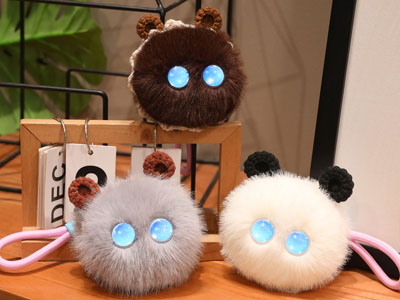
3C certified AI toys adhere to China’s mandatory national safety standards (GB 6675 series) for toys, ensuring they meet strict requirements for electrical safety, mechanical safety, chemical safety, and radiation—critical for protecting children (especially ages 0–14) from potential hazards. The 3C (China Compulsory Certification) mark is a prerequisite for selling AI toys in China, verifying that the product has undergone rigorous testing by authorized laboratories. For example, electrical safety tests ensure AI toys with batteries or charging ports have insulated wiring to prevent electric shock, while mechanical safety tests check for small parts (e.g., buttons, sensors) that could pose choking risks—requiring them to be securely attached and unable to be pulled off by a child’s force.
Chemical safety is another key focus: 3C certification limits harmful substances like lead, mercury, and phthalates in materials (e.g., plastic casings, fabric covers) to levels that are safe for children, even if they mouth or chew the toy. For AI toys with screens or cameras, radiation tests ensure electromagnetic emissions are within safe limits, avoiding potential health impacts. Additionally, 3C-certified AI toys must include clear age-appropriate labels (e.g., “Not suitable for children under 3”) and user manuals with safety instructions (e.g., “Do not submerge in water”).
For parents, the 3C mark provides peace of mind that the AI toy has met national safety benchmarks, reducing the risk of accidents. Manufacturers must maintain compliance through regular inspections, and non-certified toys are banned from the market. By prioritizing safety through 3C certification, AI toys can be enjoyed by children without compromising their well-being, making the certification a non-negotiable feature for families in China.